Break Up Your Fallow Ground: Blooming Where You're Planted and the Old, Good Ways of Home
🎧 Listen to this episode → 125 | Break Up Your Fallow Ground (26 minutes)
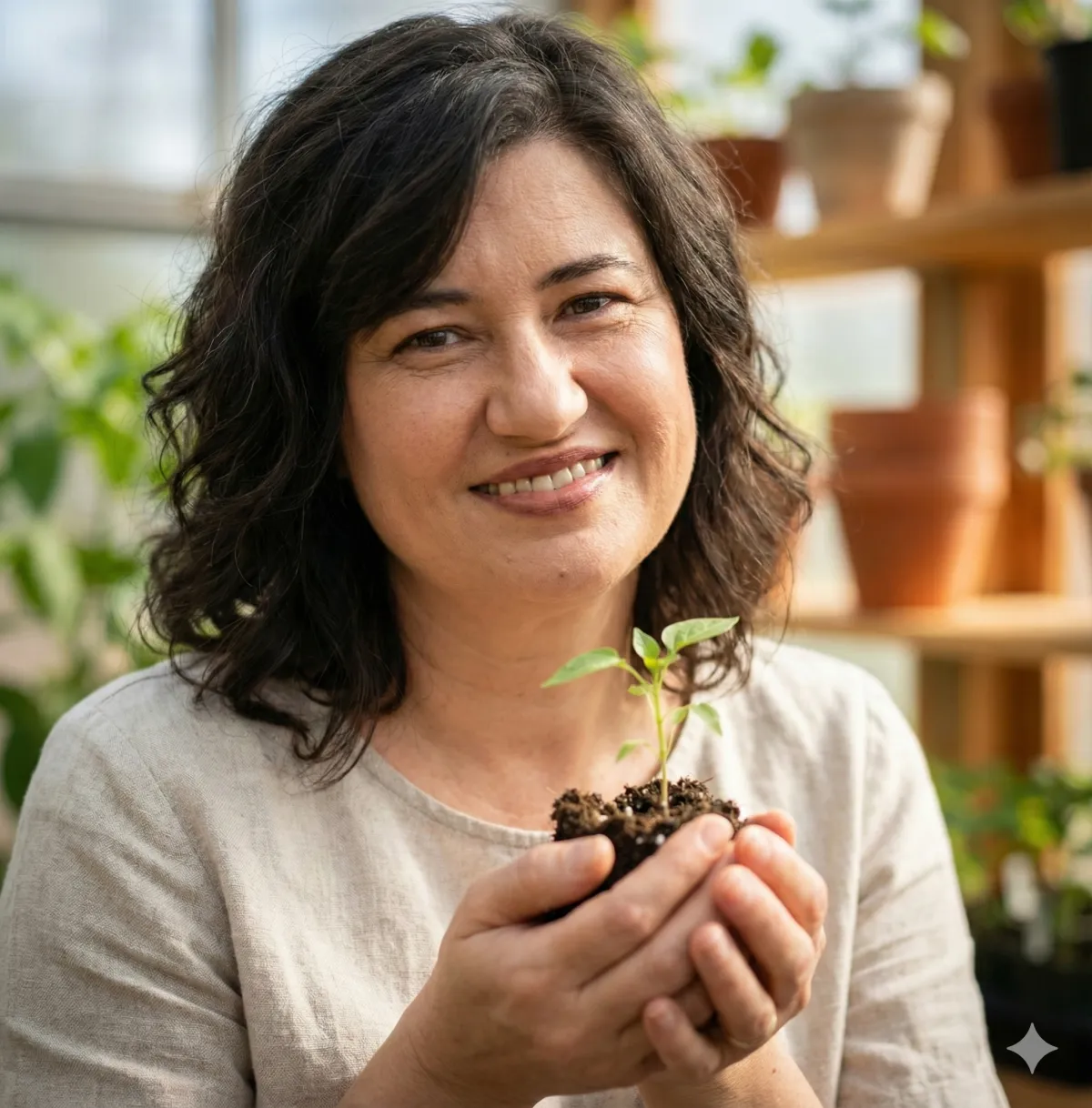
This week my hands were in two kinds of ground — the soil out back, and a bowl of dough on the counter.
Both of them kept teaching me the same old, good lesson about home.
The garden that's been resting
Let me tell you about the garden first: it's been on the back burner. It's a full season, and I haven't been able to give it everything I'd like to. The bougainvillea that carried me all summer is looking worse for wear. The cucumbers are tired and thirsty.
And yet — right in the middle of the tired beds — my Malabar spinach is thriving. Because it actually belongs here. It loves our heat when the fussier greens give up.
The garden's lying a little fallow right now, and that used to fill me with guilt. This week it taught me something instead.
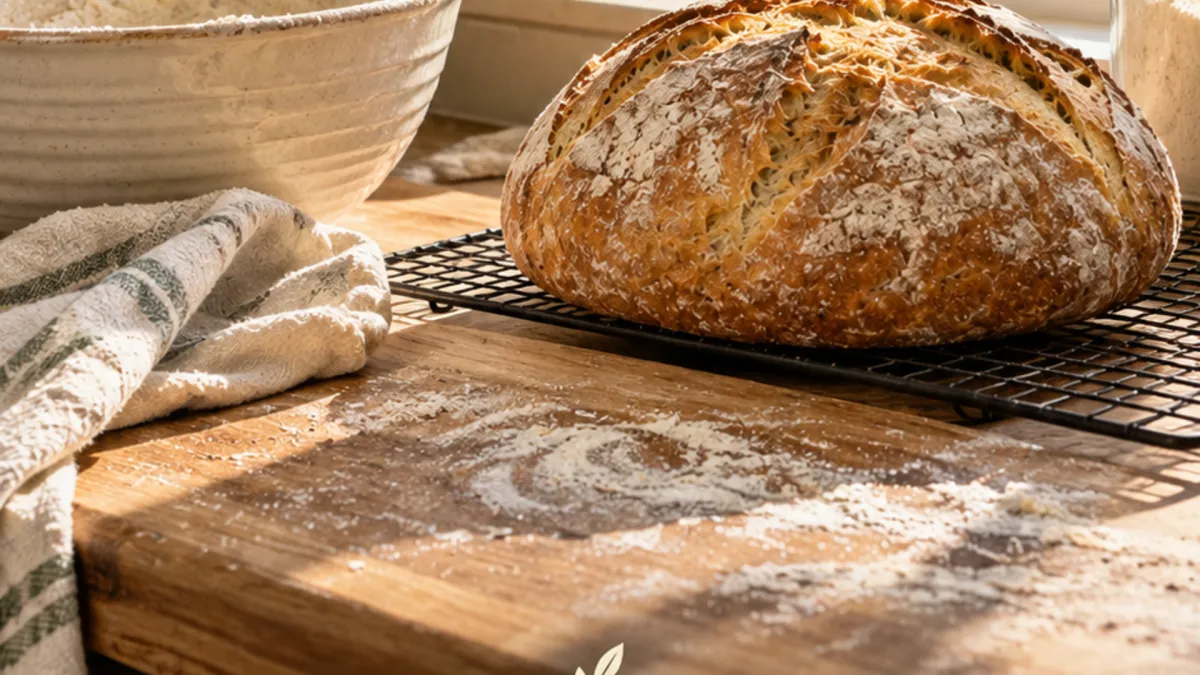
Because while that ground rested, my hands found another kind of old, good, homemade work. I was up early with flour on the counter, filling the house with the smell of bread — and then sharing it. Neighbors on the porch. Faces lighting up over something warm and made by hand. A little bit of ordinary community gathered for a few minutes over a loaf.
And standing there, I realized the garden and the bread are the very same thing.
They're both home. They're both the slow, faithful, hands-in-creation work of making something good and then handing it to someone else. They're both the old ways — the ways our grandmothers just knew — that our hurried, screen-lit, buy-it-all-already-made world has quietly let go fallow.
The whole verse, not the middle of it
"Sow for yourselves righteousness; reap steadfast love; break up your fallow ground, for it is time to seek the Lord, that he may come and rain righteousness upon you." — Hosea 10:12
We usually quote the middle. But there's a whole way of life tucked into that one verse.
Sow righteousness — live rightly, faithfully, in the small daily things. Reap steadfast love — one of the richest words in all of Scripture: covenant kindness, loyal love, the mercy you show the people right around you. And break up your fallow ground — go back and work the good ground that's been left to sit and harden.
It's a call home, really.
And I've come to believe that's the fallow ground Hosea is talking about for a lot of us. Not only a patch of dirt. The whole good, unglamorous territory of home — homemaking, homesteading, growing a little of your own food, making something with your hands, keeping a table, knowing your neighbors. The ground a busy culture has let sit untended until it's gone hard and half-forgotten.
We were told that kind of life was small. Behind us. Beneath an educated, ambitious woman. Not worth the hours. And so, quietly, a lot of it went fallow — the skills our grandmothers had, the table we stopped setting, the neighbors whose names we never learned, the food we forgot came from dirt and not from a shelf.
Hosea's word to us is: break it up.
Not out of nostalgia, and not to perform a picture-perfect homestead for a camera. But because that ordinary ground is exactly where righteousness gets sown and steadfast love gets reaped. The kingdom of God has always been mostly small and mostly local: a mustard seed, a little yeast worked through the dough, a cup of cold water handed to somebody near you.
The old ways hand something down
When you grow a tomato and let your child pull it off the vine still warm from the sun — when you teach little hands to punch down dough, or pull a weed, or set a place for a guest — you're not just getting a chore done. You're passing on a whole way of seeing: that good things take time, that we're made to tend and create and not only to consume, that our hands are for blessing.
Our children may not remember much of what we say this week. They will remember the smell of bread and the dirt under their nails.
That's faith with skin on it.
And notice which way steadfast love is meant to flow — outward. A tended home was never supposed to stop at its own four walls. The garden with too many tomatoes meant a basket left on a neighbor's step. The kitchen that smelled of bread meant a loaf carried down the street. The table you kept meant a chair pulled out for the lonely one.
That's steadfast love with dirt on its hands. And it preaches louder than anything we could post.
Bloom where you're planted
Here's the temptation, especially in a full or in-between season: we tell ourselves we'll start being a blessing later. When the garden's thriving again. When there's more time, a better house, an easier stretch. We treat right now like a waiting room.
But Hosea says it is time — now — to seek the Lord. And Jeremiah told the exiles the same thing when they were stuck somewhere they never would have chosen: plant gardens, build houses, seek the good of the city where I have placed you.
Bloom here. Break up the ground here. Bless the people here.
That Malabar spinach in the corner of my tired bed doesn't fight its conditions. It isn't out there wishing it were a delicate English pea in some cool climate it will never have. It simply is what God made it to be, in the heat God actually gave it — and so it flourishes while the fussier things wilt.
A lot of us wear ourselves out trying to bloom in somebody else's climate. Someone else's calling, someone else's pace, someone else's highlight reel. But God planted you — on purpose — in this soil, this family, this street, this season.
You are not disqualified by your soil. You don't need acreage; a few pots on a balcony will do. You don't need the dream house; a clean corner and an open door will do. You don't need an easier season — you just need a willing pair of hands and the belief that this ground, your ground, is worth tending.
God has a long, faithful history of growing the most beautiful things in the least likely dirt.
🌱 The Practical Row — fall bed prep, the old way
The most literal fallow-ground work there is. Do it a little at a time.
1. Empty your spent pots into your sunken beds. Over a long hot summer, raised-bed soil breaks down and settles — four, five, six inches lower than it started. It has to be topped back up before anything goes in for fall. So instead of storing all those finished containers full of dirt, carry them over and dump that soil straight into the beds. It costs nothing, it clears the patio, and it tops off the beds all at once. If your beds have sunk, look around — you probably already own the soil to refill them.
2. Wake that tired soil back up. Old potting mix that's been through a summer is depleted, and sometimes hydrophobic — it won't even absorb water anymore. Once it's in the bed, work in compost and a little fresh material to bring it back to life. You're not moving dead dirt around; you're breaking up hard, spent ground and feeding it. (Here's my full guide to replenishing soil for fall planting.)
3. Turn one big empty pot into a fruit tree. This is the part I'm genuinely excited about. In our warm zone, a big deep container is a wonderful home for a dwarf citrus — Meyer lemon, lime, kumquat — or a fig. You can move it to shelter in a rare hard freeze, you control the soil, and it stays a manageable size. Use the biggest container you have, make sure it drains, use good potting mix rather than heavy garden dirt, and give it six to eight hours of sun. One pot, one little tree, and you've planted something that will feed your family for years.
And don't waste what you pull. As you clear the spent summer plants, don't bag them for the curb — pile them into a compost heap, or lay them right on a bed to break down over winter. In the old way of things, nothing good gets thrown away. This year's finished garden quietly becomes next year's soil. Even the endings feed what comes next.
One faithful response
Two small things this week.
First, break up one patch of fallow ground at home — a bed, a corner, a habit, one old good way you've let go — and tend it, as unto the Lord.
Second, sow a little steadfast love into someone God has planted near you. Bake the extra loaf. Share the harvest. Make the meal. Send the note.
Bloom right where you are. That's how the good ground comes back to life.
The gentle question
How do I bloom where I'm planted when this isn't the soil I would have chosen?
Start smaller than you think you're allowed to. It almost never begins with a grand gesture. It begins with one pot of herbs by the kitchen door. One neighbor you finally learn by name. One evening you put the phone down and actually keep the table.
Tend that one thing — and then the next small thing. That's how a whole home, and eventually a whole street, slowly comes back to life.
🎧 Listen to the full episode → 125 | Break Up Your Fallow Ground
This week's question: What's the fallow ground you're going to break up — or the old, good way you want to bring back home? Leave me one word. I read every single one.
📖 The free Rooted in Grace guide is always waiting for you at rootedingrace.me/rooted-in-grace-ebook
Until next time — stay rooted, and grow with grace. 🌿