Rooted In Grace Episode 59: The Garden as God’s First Sanctuary
Rooted In Grace Episode 59: The Garden as God’s First Sanctuary
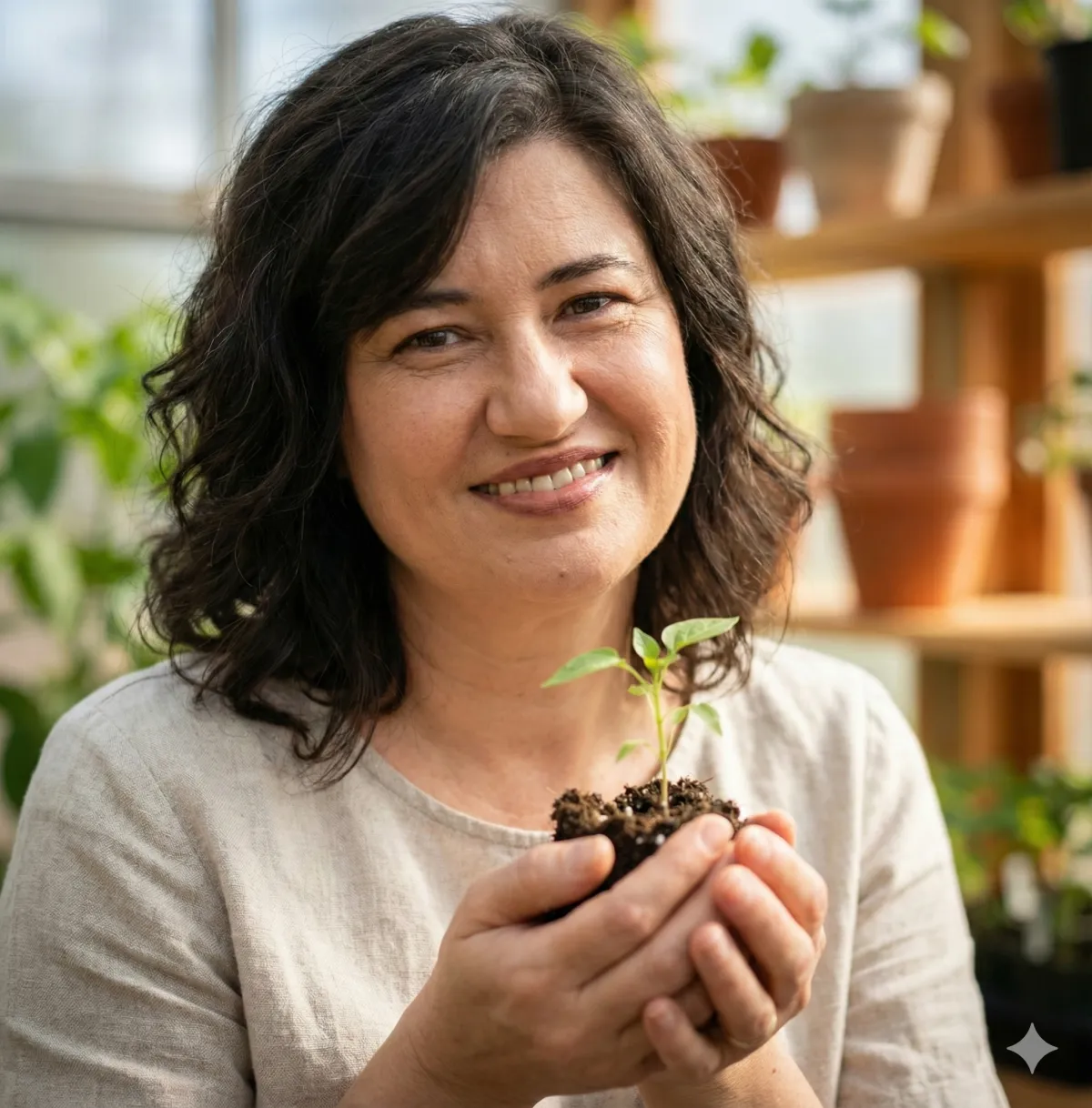
I’m standing in my garden.
It’s early.
The air is still — the kind of quiet that feels almost like a covering.
Nothing is asking anything of me yet.
There are places where the garden is thriving, and places where it’s struggling.
And I haven’t fixed either of those things this morning.
I’m just here.
And the garden keeps teaching me this lesson — slowly, faithfully, again and again:
Presence comes before productivity.
Before I touch a tool.
Before I pull a weed.
Before I water.
Before I decide what needs to change.
I’m here.
And that matters more than we tend to realize.
Before the Bible ever gives us commandments, before it gives us callings, before it gives us responsibility, it gives us a place.
A garden.
Genesis tells us, “The Lord God planted a garden in Eden… and there He put the man He had formed.”
Before Adam works.
Before he names animals.
Before he guards or tends or decides anything.
God places him.
Later, almost quietly, Scripture tells us, “They heard the sound of the Lord God walking in the garden.”
That image matters.
Because the first picture we’re given of God’s relationship with humanity is not hustle.
Not evaluation.
Not achievement.
It’s communion.
God with us.
In a place where life grows.
The garden is not scenery.
The garden is sanctuary.
When we hear the word sanctuary, many of us picture a church building. But biblically, a sanctuary is simply a dwelling place — a space set apart for God to meet His people.
Eden functions as the first sanctuary.
Once you see it, you can’t unsee it.
The language used later for the tabernacle and the temple echoes Eden — God dwelling among His people, priestly language of working and keeping, sacred space, images of trees, fruit, and flowers carved into holy places.
The Bible isn’t telling separate stories.
It’s telling one continuous story.
Eden isn’t only where things went wrong.
It’s also the blueprint for what God has always wanted: to dwell with His people.
That’s why God later says, “Let them make me a sanctuary, that I may dwell among them.”
Not evaluate them.
Not measure them.
Not pressure them.
Dwell.
God is always moving toward presence.
There are days when I enter the garden with an agenda.
I’m going to fix everything.
I’m going to get ahead.
I’m going to prove I’m a “good gardener.”
It never takes long before reality humbles me.
The soil is too wet.
Or too dry.
The sun is too intense.
The plant I expected to thrive is struggling.
Something has been eaten overnight.
The garden reminds me of something I don’t like to admit.
I am not in control here.
And strangely — this is the part I want you to hear — that loss of control is not condemnation.
It’s mercy.
Because it returns me to the original order.
Not productivity first.
Presence first.
Not achievement.
Communion.
Not fixing.
Tending.
The garden sanctuary story doesn’t end in Genesis.
It keeps unfolding.
When Jesus comes, the Gospel of John uses language that echoes the tabernacle: “The Word became flesh and dwelt among us.”
That word dwelt is sanctuary language.
It’s as if Scripture is saying: the presence that walked in Eden has stepped into our world.
Jesus prays in a garden.
Faces obedience in a garden.
Is buried in a garden tomb.
And when He rises, Mary mistakes Him for a gardener.
That detail is not accidental.
It’s Scripture whispering: the Gardener has returned.
Not to restore a fantasy of Eden — but to restore communion with God.
If your spiritual life has started to feel like one more thing to manage, one more thing to optimize, one more thing to get right, you may have drifted from the biblical starting point.
Because faith was never meant to begin with “do better.”
It began with “come and dwell.”
The problem many women face isn’t that they don’t love God.
It’s that they’re trying to love God at a pace that contradicts how living things grow.
When your pace is out of alignment with life itself, you will feel it.
Anxious.
Behind.
Scattered.
Resentful.
Numb.
Tired in your bones.
The garden reveals what modern life hides.
The soul cannot be microwaved.
Communion takes time.
And fruit without dwelling will always feel like pressure.
So instead of a task or a takeaway, I want to offer a question — not to answer perfectly, just to notice:
Where might God already be present in your life, before you try to improve it?
It might be in a quiet moment at the sink.
In the car between responsibilities.
In a houseplant on a windowsill.
In the early morning before the day begins.
Presence is often closer than we think.
And the garden reminds us — gently, faithfully — that being here still matters.
You don’t have to fix anything today.
You can begin by dwelling.